Private label vs white label vs wholesale on Amazon
Most successful Amazon sellers use one of three models. Each needs a different budget and gives a different level of control. Here is how they compare.
Wholesale
You buy established branded products in bulk from authorised distributors and resell them on existing Amazon listings.
- Pros: proven demand, no product development, faster to start.
- Cons: you share the listing with other sellers and compete on price and the Buy Box. Margins can be thin.
- Best for: sellers who want steady volume and are comfortable managing cash flow and stock.
White label
You take an existing generic product, put your brand on it and sell it under your own listing.
- Pros: your own listing and brand, quicker than custom manufacturing.
- Cons: other sellers may sell almost the same product, so branding and listing quality matter.
- Best for: sellers who want a brand without the time and cost of product development.
Private label
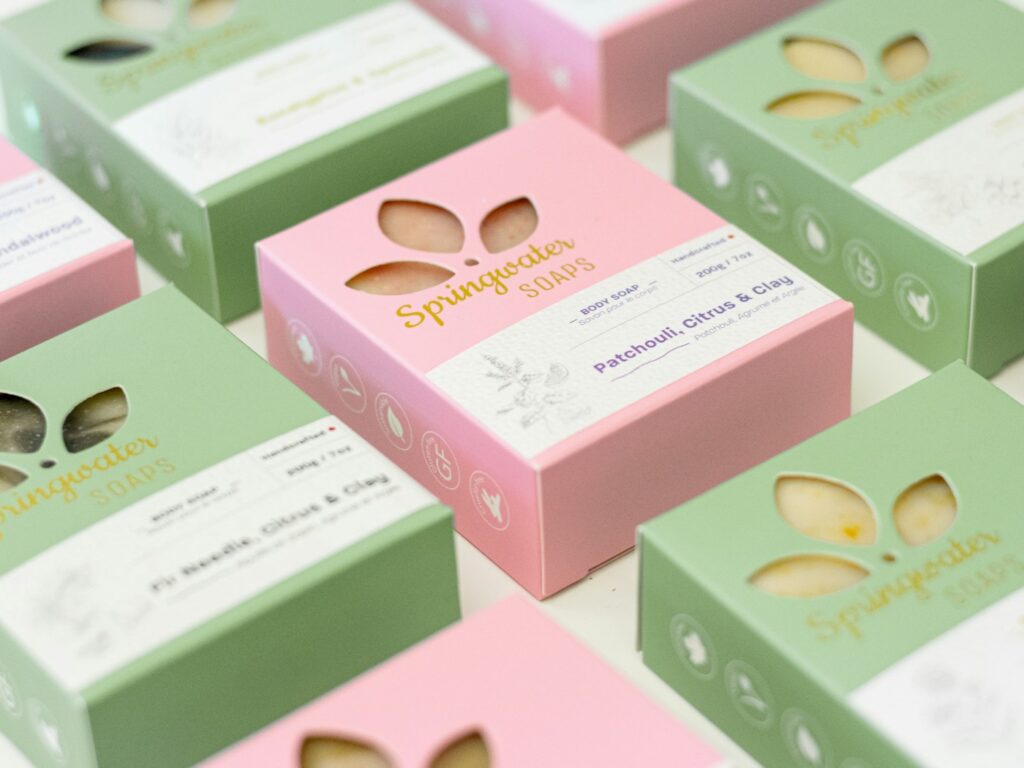
You design or customise a product with a manufacturer and sell it exclusively under your brand.
- Pros: highest margins, a product competitors cannot copy easily, and a brand you can build on.
- Cons: higher upfront cost, longer lead times and more risk if the product does not sell.
- Best for: sellers with budget and patience who want a long-term asset.
What about dropshipping?
Amazon’s dropshipping policy is strict: you must be the seller of record and you cannot buy from another retailer to ship to your customer. Because the risk to your account is high, we do not run dropshipping on Amazon. If you want to start without stock, eBay or TikTok Shop are better places to do it.
Brand Registry
For white label and private label, a registered trademark lets you join Amazon Brand Registry, which unlocks A+ content, a Brand Store and better protection against hijackers.